Showing posts with label protein. Show all posts

Sunday, December 20, 2009

The Components of a Vegetarian Diet - 3 Key Protein Sources and Their Benefits Revealed

The components of a vegetarian diet primarily consist of plant-based foods, whole grain, legumes, seeds and nuts. It emphasizes a non-meat food source diet. A vegetarian diet is generally a low fat, low cholesterol diet, and typically includes more fiber.

There are four types of vegetarian groups, Vegans, who eat only plant-based foods. They do not eat food that come from animals; meat, poultry, fish, eggs, cheeses and milk. Lacto-vegetarians consume milk and other milk products with plant-based foods only, no meat, eggs, poultry and fish either. Lacto-ovo vegetarians do not eat red meat, fish and poultry, and eat only eggs, milk and milk products like cheese and yogurt and plant-based foods. Flexitarians or semi-vegetarians primarily eat plant based foods but consume meat, poultry and fish on small amounts, occasionally.
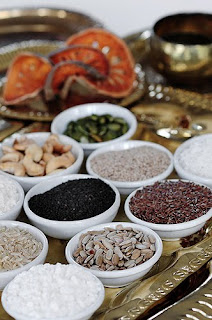
Vegetarian DietSince you will be going on a vegetarian diet, you will have to have an adequate nutrition. One important nutrient is protein, your body needs this nutrient to be able to maintain healthy skin, bones, muscles and organs. The primary sources of protein are meat, eggs, nuts, grains and legumes. When eating only plant based foods there are 3 key protein sources. One such source is in nuts, such as almonds and walnuts, can lower serum LDL cholesterol concentrations in the body. Nuts also have a low sugar content wherein dietitians recommend nut to patients with diabetes mellitus type2. Legumes are also one good source of protein for non-meat eaters. Legumes soybeans contain essential amino acids and surpass other plant food in the amount of protein they give. Cereals or grains mostly are grass that are cultivated for their edible bans or fruit seeds, they are considered as staple crops. They are also a rich source of carbohydrates.

When shifting to a vegetarian diet, one must be aware of food planning, meat substitutions are one key point in a vegetarian diet and try to experiment; you should also know the components of a vegetarian diet to be able to maximize the potential in your dietary lifestyle.

By Faviano Torres

Saturday, November 21, 2009

Benefits of Soy protein

Soy protein is very healthy: it is very low in fat, contains no cholesterol and contains phytochemicals. The main phytochemicals in soy protein are isoflavones, saponins and phytc acid. These phytochemicals are strong antioxidants but have many other properties. Soy protein and its associated phytochemicals seem to reduce heart disease, osteoporosis and risk of cancer. Soy protein has a lot of many unique benefits that makes it a top notch protein. It is probably one of the most important aspect of a vegetarian diet.

Since vegetarians do not consume meat. But it doesn't mean only vegetarians uses soy protein. A lot of people uses soy protein in their diets and soy protein supplements.

But why is it a terrific substitute for animal protein? That is because it offers a complete amino acid profile. Soy protein contains all the amino acids that is essential to human nutrition. They are essential since thay cannot be synthesized by our bodies, but must be obtained from the foods we eat.

Soy ProteinSoy protein has its benefits. They are the best substitutes for meat protein. Soy protein are proven to have reduce cholesterol levels. Soy protein reduces the risks of heart related diseases. And they helps to increase nutritional value of other foods. This is because of its complete amino acid profile. And it also contains extra amounts of various amino acids.

Epidemiological studies suggest that soy protein may reduce the risk of certain cancers, including breast cancer and prostate cancer. Japanese women, who eat a lot of soy protein (mainly from soy tofu and miso), have a much lower risk of breast cancer or prostate cancer than Western people have. The anti-cancer effect of soy protein could be explained by the phytochemicals, which are associated with the soy protein. These phytochemicals include the isoflavones genistein, daidzein and glycitein, phytic acid, saponins and protease inhibitors. Isoflavones and phytic acid have strong antioxidant properties and can prevent oxidative damage by free radical to our DNA and cells. Shu X.O. et all suggest that high soy intake during adolescence may reduce the risk of breast cancer in later life (Soyfood Intake during Adolescence and Subsequent Risk of Breast Cancer among Chinese Women. Cancer Epid Biomarkers Prev. 10: 483-488). The inverse association between soy protein intake and reduces risk of breast cancer was observed for each group of soyfoods examined.

FDA determined that diets with 4 servings of soy per day can reduce LDL cholesterol by up to 10%. Another benefit of soy protein is that it reduces LDL cholesterol without affecting HDL cholesterol. Studies shows that soy protein reduces plasma concentrations of LDL cholesterol but not affecting HDL cholesterol. Other than these well known benefits, soy protein also reduces risks of other ilnesses such as prostate cancer, colon cancer and osteoporosis.

So where can we get soy protein in our daily diet? Well you can get plenty from tofu, soy cheese and soy milk etc. Alternatively, you can get soy protein supplements. Soy protein supplements can be purchased online or retail.

By Aziz Omer

About Author

The author is an expert on weight loss training and healthy diets. To learn more about health and fitness, please visit http://www.taftclub.com/.

Friday, November 13, 2009

Can I Build Muscle if I am Vegetarian?

Just before I tackle the main purpose of this article which is to show how to build muscle vegetarian style I will briefly outline the different types of vegetarians.

Vegans won't eat dairy products or any other products of animals, pesco-vegetarians will consume fish and other dairy products whereas lacto-ovo vegetarians will both consume milk and eat eggs but won't eat meat. There are a few more sub categories but that is enough detail for the purposes of this article.

Because of the nature of the food vegetarians do not eat, things like red meat and so on they have a lower risk of certain diseases including but not limited to hypertension, coronary artery disease, a variety of cancers and diabetes mellitus.

Vegetarian DietAs you may agree the reasons for changing to be vegetarian are compelling indeed and that is before we even begin to discuss the idealistic side of things such as being less cruel to animals, saving food for starving others, conserving the rainforest, becoming more friendly to the environment and such like.

So, if I am vegetarian how can I get enough protein to pack on muscle mass? The answer to this question very simply is Soy. Soy in reality has higher levels of protein than beef and also contains all eight of the essential amino acids.

Soy can easily be gotten from sources like: textured soy protein, soy milk, seitan, miso, tempeh, and of course tofu. These can all be included in a variety of tasty recipes and dishes. Beans, rice, seeds, legumes, nuts and even vegetables are another great supply of amino acids which together should ensure you never get short on protein.

Alright so that is protein dealt with but what about vitamins and minerals, particularly zinc, vitamin D, calcium, iron and vitamin B12? Well, supplements should be taken by vegans for this.

Vitamin B12 is found in dairy products so is not an area of concern for other types of vegetarians. The others can easily be gotten from a decent meal replacement powder. Of course however many minerals and vitamins are easily available in the form of leafy green vegetables and fruit that you should not overlook if you wish to build muscle up vegetarian style.

So, overall there are many health benefits to being a vegetarian and being a vegetarian need not prevent you from achieving your bodybuilding goals. Of course a key factor to your diet success will be the ability to plan, however this is just as crucial for meat eating bodybuilders also. With the above guidelines in mind go ahead and build muscle vegetarian style!!

By Ricardo d Argence

About Author

We shot the lid off of the body building and supplement industry to reveal the honest and unbiased truth about building muscle, gaining strength and melting away unwanted body fat. Visit us if you want to read more Bodybuilding Articles

Monday, October 26, 2009

The Vegetarian Diet and Its Benefits

Just because vegetarians don't eat meat they still must have protein in their diet. A good source of protein is beans and nuts. There are numerous ways to prepare beans and nuts. To find out more read the following article.

The vegetarian way of eating can be a very healthy style of eating. But the rules of healthy eating still apply. You still need to add variety with balance, and moderation.

A vegetarian is someone who avoids all types of meat, whether it is hamburgers, hotdogs, chicken, or even fish. Vegetarians are sometimes classified by the type of food they are or aren't willing to eat. For example, Lacto-ovo vegetarians will avoid animal flesh, yet they will eat eggs and most dairy products. A Vegan on the other hand, will avoid all food that has any trace of animal origin.

vegetarian dietBecause vegetarians don't eat meat they often wonder if they are getting enough protein. Although you may not realize it, the average American consumes more protein than he actually needs. For the lacto-ovo vegetarian, dairy products are an excellent source of protein. Vegans on the other hand, get their protein from nuts, seeds, and soy products.

A staple for vegetarians is the bean. There are several types of beans to choose from, including peanuts, split peas, pinto beans, soy beans or nuts, kidney beans, and many more.

Some of them you are already familiar, such as kidney beans in chili, refried beans in Mexican dishes, red beans and rice, and pinto beans. Although some beans taste good as they are, others are available with different flavors to help enhance their taste.

Nuts are high in protein, although they deliver a lot more fat than beans, which means you should enjoy them in moderation. One cup of cooked beans supplies the same amount of protein as eating two ounces of meat!

Since vegans avoid all types of animal food they should be concerned with getting enough vitamin B12, calcium, and vitamin D. In the average North American diet, the primary source for B12 is animals. To have an adequate intake of B12, vegans should regularly consume vitamin B12 supplements or foods which contain vitamin B12, such as soy products or milk.

Vegans can rely on orange juice or soy milk for calcium as they are calcium fortified. Beans and leafy green vegetables also contain some calcium as well.

Although all types of vegetarians rely on simple food groups, controlling your vitamins and calcium intake is something you should always do. This is very important for eating healthy, as well as staying healthy. If you control what you eat, you'll have many years of healthy eating ahead of you.

By Paul Webb

About Author

Paul Webb is the owner of several websites concerning health and fitness. He is a firm believer in exercise and health and has more articles, and information on health and fitness on his websites. You can visit him at http://seniorshealthinfo.com or http://trymyrecipes.net