Showing posts with label cholesterol. Show all posts

Thursday, December 31, 2009

Vegetarian Diet - Group of Foods That are Low in Saturated Fats & Cholesterol but High in Fibers

Vegetarian diet, which lowers saturated fats and cholesterol but increases fiber, is a very good eating plan for both maintaining a healthy body and for losing weight. This can supply the body with the recommended daily intake of major nutrients if carefully planned.

Some types of vegetarian diets include animal products; others have no animal source at all. Some nutrients that animal products provide are calcium, iron, vitamin D and B12, and zinc. These nutrients may not always be found in these diets.

There are non-animal food groups that are rich in these nutrients, while at the same time, low in cholesterol and high in fiber. These are oats, nuts, and soy.
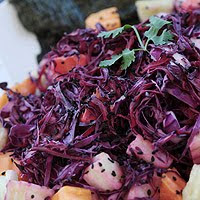
Vegetarian DietOats are a good source of fiber and these foods are proven to reduce cholesterol content in the body. Examples of foods belonging to this group are oat bran, whole oat flour, and oatmeal.

Nuts are healthy alternatives to junk food. It is also filled with different nutrients like fiber, protein, vitamins, antioxidants, phytonutrients, mono-unsaturated and polyunsaturated fats, and plant sterols. Recommended nuts are almonds, hazelnuts, peanuts, pecans, pistachios, pine nuts, and especially walnuts, which have high omega-3 fatty acids. Avoid or lessen salted nuts or chocolate-coated nuts, and some nuts, which are high in fat content, like Brazil, cashew, and macadamia.

Soy, made of soya beans, is highly effective in cholesterol level reduction. It is also a good substitute for milk and meat products. Miso, soy flour, soymilk, soy nuts, and tempeh are foods that fall into this group.

Vegetarians, although healthy in living, must not forget to include these food groups in their diet to continually lessen cholesterol level and enrich fiber content in the body while at the same time replenishing protein. Any diet always needs wise, healthy, and balanced choices of foods.

By Faviano Torres

Thursday, November 5, 2009

Vegetarian Diet and Heart Benefits

No matter what your reasons for eating a more vegetarian diet, there's no denying the obvious health benefits that are derived from the elimination of red meat from your diet. On average, vegetarians have lower levels of the blood fats, cholesterol and triglycerides than meat eaters of similar age and social status have. High levels of blood fats are associated with an increased risk of heart disease. Lacto-ovo vegetarians, those who eat eggs and dairy products, which contain cholesterol-raising saturated fats and cholesterol, have higher cholesterol levels than do vegans, as those who abstain from all animal foods are called. But even among lacto-ovo vegetarians, cholesterol levels are generally lower than they are among meat eaters.

Vegetarian DietResearchers have found that older men who eat meat six or more times a week are twice as likely to die of heart disease as those who abstain from meat. Among middle-aged men, meat eaters were four times more likely to suffer a fatal heart attack, according to the study. As for women, who are partly protected by their hormones and generally develop heart disease later in life than men do, the risk of fatal heart disease has been found to be lower only among the older vegetarians. In a 1982 study of more than 10,000 vegetarians and meat eaters, British researchers found that the more meat consumed, the greater the risk of suffering a heart attack. Though eliminating meat from the diet is likely to reduce your consumption of heart-damaging fats and cholesterol, substituting large amounts of high-fat dairy products and cholesterol-rich eggs can negate the benefit. To glean the heart-saving benefits of vegetarianism, consumption of such foods as hard cheese, cream cheese, ice cream and eggs should be moderate. And the introduction of more vegetables, fruits and raw foods will definitely enhance the benefits of abstaining from eating meat.

By Jill Smi

About Author

Learn about watermelon nutrition and growing watermelon at the Watermelon Facts site.

Wednesday, October 14, 2009

A Vegetarian Diet to Lower Cholesterol and Control Obesity

Have you ever noticed at a restaurant that some people are able to make three or four trips to the buffet table while others are content with one visit to satisfy their needs. We all have the choice of eating food that is healthy or harmful and usually we are aware of which is which. Unfortunately, at this type of restaurant, we tend to eat as much as we can to satisfy ourselves we are getting value for money rather than thinking about what the excessive amount and type of food being consumed is doing to our body.

Those who love to eat red meat and other fatty dishes are prone to become overweight because of the amount of bad cholesterol that is being taken into the body.

More than any time in our history, people in society to-day are experiencing high levels of cholesterol in the body due to the fast food phenomenon sweeping the world. A diet high in fats such as hamburgers, fried chicken etc. causes high cholesterol and other body malfunctions that eventually lead to high blood pressure, diabetes , heart disease, obesity and a lowering of your energy levels.

Is there one food product that can be called the best to lower cholesterol? The answer is no because a well balanced diet must come from all the food groups. This includes plenty of fresh fruit and vegetables/salads (including legumes). Eat food that is low in fat, in particular low in saturated fat.

Vegetarian Diet
Instead of drinking full cream milk with cornflakes, it is best to use non fat milk instead. The taste is almost the same and it's much healthier for you.

The healthiest thing to have either for lunch and dinner is food that comes from the ocean. This can be fish or shellfish that is known to carry Omega 3, which is very effective in lowering the levels of cholesterol in people.

Foods to avoid include fried, battered, crumbed, fatty takeaways, fast foods, sausages, luncheon and processed meats, pastries, pies etc. Others are cream, cakes, biscuits, puddings, ice cream, chocolates, hot chips.

There must always be a balance including fresh vegetables and/or salad whenever you decide to have meat or fish. Chicken is not good for you, if it is fried and if it is to be consumed it is important to remove the skin.

If you are serious about your healthy eating habits you should consider a vegetarian lifestyle that can be introduced gradually. Vegetarian meals are not only healthy, nutritious and delicious but they are easy to prepare.

It is never too late to make some lifestyle choices and changes in order to live a longer and healthier life.

Make it your business to learn more about healthy eating habits. You owe it to yourself.

By Bill Hansen

About Author

Bill Hansen is a writer and researcher on vegetarian food and recipes. To receive your instant access to information on various vegetarian food issues please visit http://www.aboutvegetarianrecipes.com

Saturday, October 3, 2009

Vegetarian Diet Secrets: Vegan Foods Reduce Risk of Heart Disease

The major source of heart disease is cholesterol circulating in the blood stream. Scientists agree that the levels of cholesterol should stay balanced in order to avoid serious health conditions, like heart attacks or blood pressure problems. If you suffer from heart disease your doctor will prescribe all sorts of chemical medication to reduce cholesterol.

Now scientists have come up to the conclusion that eating vegan foods like vegetables, seeds, nuts and other "Green Foods" may be as effective at reducing cholesterol as medicines. Experiments involving different types of vegan foods proved that a balanced vegan diet with vegetables, soy products, bread, fruits and nuts could be a possible drug-free alternative to reduce cholesterol and protect your body against heart threats.

Vegetarian Diet
What is really important when implementing this diet is to combine all sorts of food. Researches proved that a combination of vegan foods can cut cholesterol by up to three times more than when you insist on eating a single vegan food (e.g. only vegetables and soy products).

Here's the diet I recommend for a typical weekday.

- In the morning consume soy milk, cereals, fruits and nuts. You can also eat some bread with vegan butter and honey.

- For lunch you can have a vegetable soup with lots of bread and fruits for dessert.

- For dinner you can have a fruit salad or a vegetable salad combined with nuts like almonds or walnuts.

A similar diet was adopted by a dozen of people during experiments done by Canadian scientists. The results were amazing. Their cholesterol levels had dropped by almost 30% in just a few months. This combined diet could be as effective as medication according to the researchers.

Even though a lot more experiments and research are needed before the diet could be recommended to people, one thing is certain. There is hope for a natural treatment that doesn’t involve chemicals, for people with heart disease or high cholesterol.

By Maria Markella

About Author

Maria Markella is a webmaster of DigitalStarProducts Directory of Digital Products. Are you following a vegan diet? If not maybe its time you reconsider. And here's the raw vegan diet secrets guide that can bring you boundless energy and amazing health. Increased energy, improved appearance, outstanding performance and brighter eyes is what you will get. There's also a free weekly newsletter with how-to articles and practical advice for vegetarians.

Wednesday, September 30, 2009

A Vegetarian Diet to Help Lower Cholesterol

We all know that high cholesterol is a dangerous health condition to live with. Living with arteries that are clogged can make you feel easily tired. Whether you feel any differently or not, no doubt your doctor has explained to you the risks associated with high cholesterol. The biggest risk in having high cholesterol is the development of heart disease. If you have determined that it is time to reduce your cholesterol intake as well as the cholesterol you already have in your body, consider a vegetarian diet.

Vegetarian Diet 27
There are a number of things that you can incorporate to help reduce your cholesterol levels. Make sure to consult with your health care provider before changing your diet. He will be the best source for advice about your own situation. While you are investigating the best remedies for your condition, consider the possibilities within a vegetarian diet to help you reduce your cholesterol.

Reducing Cholesterol Naturally

By deciding on a vegetarian diet, you will naturally experience a lower intake of cholesterol. Meats and other animal products are very high in cholesterol. By avoiding red meats especially you will be avoiding a major source of cholesterol. Even higher on the list of foods to avoid are the meats that are mixed with high amounts of saturated fats. Sausages, pepperonis and bacons are all bad for your cardiovascular health.

Eggs and cheeses are also prime culprits for carrying cholesterol into your arteries. You will still need to ensure sufficient protein intake, but taking out the high risk proteins will have you on your way to healthier cholesterol levels. While you are reducing the amounts of edible cholesterol in your vegetarian diet, you will also be eating foods that are better for other parts of your body as well.

Eating the Right Stuff

Eating the types of foods that maintain one's health will be easy to fit into a vegetarian diet. Whole grains are excellent sources of good nutrition for heart health. You can actually reduce your cholesterol levels by eating more of the right foods. Following a vegetarian diet does not mean you will be eating less food. It just means eating different foods.

Whole grains as are found in cereals, breads and crackers. Look for advertising on the packages for information about whole grain content. Food makers may only advertise that their products contain whole grain if they contain a sufficient amount for positive health benefits. Combine whole grain foods with plenty of fresh fruits and vegetables. Raw spinach comes pre-washed and ready to eat in conveniently sized salad bags. Dressing can be as easy as fresh strawberries and a little bit of balsamic vinegar. There are many combinations that you will find that will be both delicious as well as good for you.

Speaking again of protein, there are lots of healthy options on a vegetarian diet. Look for raw nuts, dry beans and seafood to add to your menu. These are foods that are filling, nutritious and low in cholesterol.

Once again, high cholesterol can be a dangerous health problem. Depending on the severity of your own cholesterol levels, your health care provider may prescribe medication. Regardless of whether or not you are taking cholesterol medication, think about adding a vegetarian diet to your treatment process. As you get deeper into your vegetarian diet, you will begin to feel better with each passing day. You will also find that your foods are becoming more delicious as well.

By Debbie Jones

About Author

Debbie Jones writes about vegetarianism. Learn more about A Vegetarian Diet to Help Lower Cholesterol and many more important topics about the heath benefits of a Vegetarian Diet